Reading, OH · Hamilton County
Flood Water Extraction in Reading, OHEmergency Flood Cleanup & Flood Damage Restoration
Flood Water Extraction in Reading covers wet drywall removal, flooded carpet water removal and flooded room drying.
Answered 24/7
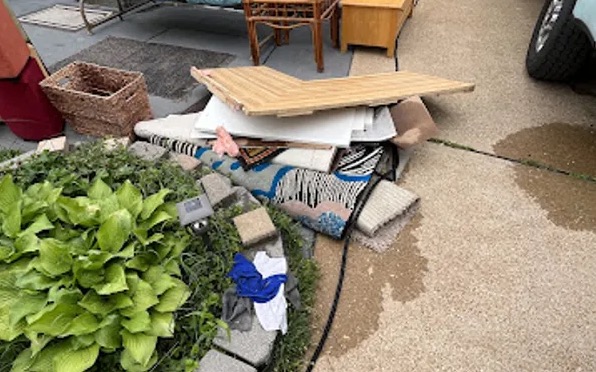
Professional Flood Water Extraction in Reading, OH
Properties in Reading face significant risk when flood water saturates carpets and padding, which can harbor bacteria and cause odors.
The local flood water removal pros respond 24/7 to begin water extraction and damage mitigation. This service is also available for urgent needs in communities like Wyoming, Deer Park and Sharonville.
Flood Water Extraction Work in Reading, OH
Emergency Flood Cleanup
Experts prioritize stopping the water source, extracting standing water, and protecting belongings to stabilize the environment in your home for subsequent work.
Flood Damage Restoration
The pros in Reading oversee the project from initial extraction through to final repairs, coordinating all necessary steps to fully restore your property.
Flooded Room Drying
The pros in Reading configure high-volume air movers and low-grain refrigerant dehumidifiers to dry the affected space, a process documented for your insurance claim.
Water Damaged Floor Removal
Professionals systematically remove tiles, planks, or sheet goods that have been compromised by water, a critical action to enable thorough structural drying in your home.
Flood Water Extraction
Extraction removes all standing water so it stops spreading. The wettest areas are handled first with the right tool for each surface.
When to Call for Flood Water Extraction in Reading
High Indoor Humidity Levels
High humidity indoors after a flood means water is still evaporating from walls and floors.
A Musty Odor in the Home
A musty smell after a flood usually means materials are still wet and mold may be starting.
Water Stains on Walls or Ceilings
These stains point to moisture inside the wall that may mean cutting out wet drywall.
Damp Drywall That Feels Soft
Soft drywall is soaked through and usually has to be cut out so the studs behind it can dry.
How Flood Water Extraction Works in Reading
Step 1: On-Site Flood Assessment
The pros first look at how far the water went and which materials it reached.
Step 2: Flood Water Removal
Pumps and extractors remove the water quickly to protect the structure and contents.
Step 3: Comprehensive Moisture Mitigation
Air movement and dehumidification draw the remaining moisture out of walls, floors and furnishings.
Step 4: Post-Extraction Damage Documentation
Detailed notes and moisture readings are recorded for your records and any insurance claim.
Frequent Causes Requiring Flood Water Extraction in Reading
Severe Weather and Heavy Rain
Intense storms can overwhelm drainage and cause flash flooding that pushes water into homes in Reading.
Natural Flooding From Nearby Waterways
Rivers or creeks overflowing their banks can push floodwater into nearby properties.
Appliance Malfunctions and Overflows
Water heaters, washing machines or dishwashers can fail and flood the floor around them.
Clogged Gutters and Downspouts
Blocked gutters and drains can send water pooling against the foundation until it finds a way inside.
Flood Water Extraction for All Properties in Reading
Residential Flood Water Extraction
For homeowners, emergency water extraction responds to sudden pipe bursts. The pros bring pumps and extractors to get the water out and keep it from spreading.
Commercial Flood Water Extraction
In commercial buildings, the pros plan the work with property managers and often work after hours to keep tenants running.
Professional Flood Water Extraction or DIY Cleanup?
Turning off the water source at the main valve is a critical and safe DIY action during a plumbing leak. Removing wet drywall and drying the structure is a job for professionals with moisture meters and drying equipment.
Understanding Flood Water Extraction Cost in Reading
In Reading, flood water extraction cost depends on the size of the flood, labor hours and any demolition of soaked materials.
Emergency Service Timing
After-hours calls may be billed at a different rate than scheduled work.
Required Drying Time
High humidity in Reading can make drying take longer, which adds equipment days and moisture checks.
Affected Square Footage
A larger flooded area needs more extractors, air movers and labor hours.
Does Insurance Cover Flood Water Extraction?
Does insurance cover flood damage restoration? It depends on the source and your policies. The pros provide documentation like moisture maps, and your insurer decides whether the cleanup is covered.
The Value of Local Flood Water Extraction Experts
Comprehensive Flood Cleanup
The work goes beyond pumping water out to cleaning and sanitizing the wet areas.
Thorough Documentation for Claims
Logs, photos and moisture readings are kept to support your insurance claim for the flood.
Industrial-Grade Drying Equipment
Air movers and dehumidifiers bring the humidity down so the structure dries.
Always-Available Flood Water Extraction for Reading
Standing water leads to rapid structural damage and mold growth within days. Call the pros in Reading at (513) 854-7491 to start flood cleanup now.
Call Now (513) 854-7491Flood Water Extraction Available Throughout Hamilton County
Flood restoration and water extraction, including wet drywall removal, are available in Reading and nearby Wyoming, Deer Park and Sharonville.
Frequently Asked Flood Water Extraction Questions
What tools are used for water damaged floor removal?
For water damaged floor removal, pros use tools like moisture meters, pry bars, and saws.
How is hidden moisture located after a flood?
The pros use moisture meters and thermal cameras to find water trapped behind walls or under floors.
What is the goal of emergency water extraction?
To remove standing water quickly so it stops soaking into materials, which keeps the damage from growing.
What happens during the flooded room drying process?
The pros monitor moisture levels until the room reaches a dry standard.
What follows after flood water extraction is complete?
Drying with dehumidifiers and air movers comes next, followed by cleaning, sanitizing and any repairs.