Bridgetown, OH · Hamilton County
Hydrostatic Pressure Water Removal in Bridgetown, OHStructural Drying After Intrusion & Wet Subfloor Removal
Hydrostatic Pressure Water Removal in Bridgetown covers groundwater intrusion mitigation, wet subfloor removal and crawl space water extraction.
Answered 24/7
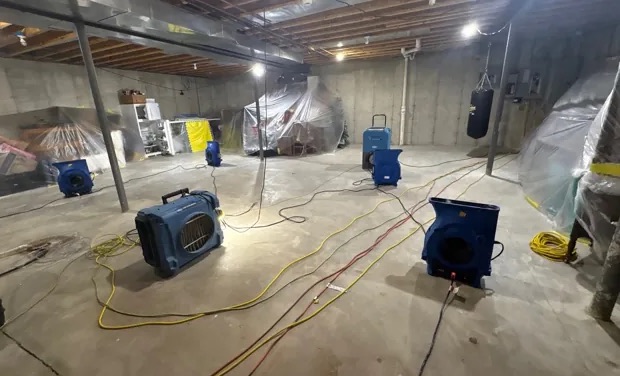
Addressing Hydrostatic Pressure Water Damage in Bridgetown
Water forced through foundation cracks is rarely clean. It carries minerals and silt that stain concrete and rust metal, so surfaces are cleaned after the water is removed.
In Bridgetown and nearby Mack, Green Township and Cheviot, soaked soil can push water into basements and crawl spaces. Local structural drying professionals extract the water and dry the structure.
Comprehensive Hydrostatic Pressure Water Removal Solutions
Structural Drying After Intrusion
Drying equipment is placed to pull moisture out of wall cavities, subfloors and framing, not just to dry what you can see.
Wet Subfloor Removal
The process includes cutting out affected panels, disposing of them properly, and creating a dry, stable base for the new flooring material.
Groundwater Intrusion Mitigation
Moisture readings and entry points are recorded during the work, which helps plan both the drying and any drainage changes outside.
Slab Seepage Water Removal
When water seeps up through a slab in Bridgetown, flooring may need to be lifted so the concrete can dry. Pros explain what a foundation specialist should look at.
Crawl Space Water Extraction
A wet crawl space soaks joists, insulation and wiring. Submersible pumps and extractors remove the standing water, then the space is dried.
Signs of Groundwater Intrusion Requiring Hydrostatic Pressure Water Removal
Visible Cracks in Foundation Floors
New or widening cracks in a basement slab can let groundwater in when the soil is wet.
Efflorescence on Concrete Surfaces
White, chalky deposits on foundation walls or the slab show water has been pushing through the concrete.
Sump Pump Running Constantly
A sump pump that runs nonstop means a lot of groundwater is coming in around the foundation.
High Indoor Humidity Levels
High humidity in lower levels that does not go away can mean water is seeping through the foundation.
How Hydrostatic Pressure Water Removal Works in Bridgetown
Step 1: Initial Pressure Evaluation
The pros look at where the water came in and how wet the soil-side walls and floor are.
Step 2: Sub-Slab Water Removal
Using specialized extraction tools, pros remove water trapped beneath concrete slabs and flooring.
Step 3: Targeted Structural Drying
Drying equipment is aimed at framing, joists and sill plates so the structure dries all the way through.
Step 4: Documentation for Insurance
Moisture readings, photos and notes on the work are put together for your insurance claim.
What Causes Hydrostatic Pressure Water Damage
Plumbing Leaks Under the Slab
A broken water line under the slab keeps feeding water up through the floor.
Poor Exterior Drainage Systems
Clogged gutters, downspouts and poor grading send water toward the foundation, where it builds pressure in the soil.
Failed or Missing Waterproofing
Worn exterior coatings or membranes let groundwater reach the foundation wall directly.
High Water Table Levels
A high water table keeps steady pressure on the foundation and pushes water through cracks and joints.
Hydrostatic Pressure Water Removal Services for All Properties in Bridgetown
Residential Hydrostatic Pressure Water Removal
Hydrostatic pressure damage threatens a home's structure and indoor air. In homes throughout Bridgetown, a census-designated place in Hamilton County, local water removal pros remove wet subfloor, dry the structure and repair foundation crack leaks to prevent costly long-term damage.
Commercial Hydrostatic Pressure Water Removal
In businesses, groundwater in a lower level can damage stock and equipment. The professionals remove the water and dry the space to keep downtime short.
Hydrostatic Pressure Water Removal: Why DIY Falls Short
Clearing gutters and extending downspouts away from the foundation are good steps to reduce water at the walls. If water is already coming in, call (513) 854-7491 for extraction and drying.
What Influences Hydrostatic Pressure Water Removal Costs in Bridgetown
In Bridgetown, the price depends on the size of the wet area, how deep the water got and how many days of drying the structure needs.
Structural Complexity
Tight crawl spaces and complex foundations make water removal and drying slower.
Affected Area Size
Larger flooded areas or large wet subfloors need more equipment and more days of drying.
Water Source Type
A slow slab seep and a sudden flood through a wall crack need different approaches and equipment.
Does Insurance Cover Hydrostatic Pressure Water Removal?
Coverage for structural drying depends on your policy's limits and exclusions. The professionals provide moisture maps and drying logs, so check the details with your agent.
The Value of Local Pros for Hydrostatic Pressure Water Removal
Methodical Cleanup Process
Each step, from extraction to final readings, is done in order so nothing is left wet.
Focused Mitigation Planning
You get notes on where water came in, so you can plan drainage work with a contractor.
Comprehensive Moisture Mapping
Moisture meters find water in subfloors and walls so every wet area gets dried.
24/7 Emergency Hydrostatic Pressure Water Removal in Bridgetown
For 24/7 help with soaked subfloor after groundwater flooding, call (513) 854-7491. The professionals in Bridgetown start with extraction and a moisture check.
Call Now (513) 854-7491Areas Served for Hydrostatic Pressure Water Removal Near Bridgetown
Homeowners in Bridgetown and nearby Mack, Green Township and Cheviot can get help with flooded lower levels and wet subfloors.
- Hydrostatic Pressure Water Removal in Mack
- Hydrostatic Pressure Water Removal in Green Township
- Hydrostatic Pressure Water Removal in Cheviot
- Hydrostatic Pressure Water Removal in Dent
- Hydrostatic Pressure Water Removal in Monfort Heights
- Hydrostatic Pressure Water Removal in Covedale
- Hydrostatic Pressure Water Removal in Delhi Township
- Hydrostatic Pressure Water Removal in White Oak
Hydrostatic Pressure Water Removal FAQs
Will drying stop water from coming back?
No. Drying fixes the damage that is already there. Keeping water out takes drainage, grading or waterproofing work by a contractor.
What does groundwater intrusion mitigation involve?
Removing the water, drying the structure and then, often, drainage or waterproofing work outside by a contractor.
What equipment is used for groundwater extraction?
Groundwater extraction uses submersible pumps for deep water, wet-dry vacuums for shallow flooding, and specialized extractors for under-slab water removal.
What are signs of soil pressure water intrusion?
Water seeping where the floor meets the wall, damp foundation walls and ongoing moisture in a crawl space.
Can crawl space water extraction prevent mold?
Removing the water quickly and drying the crawl space fully takes away the moisture mold needs, which keeps it from starting.