Union, KY · Boone County
Rapid Structural Drying in Union, KYStructural Dehumidification & Subfloor Drying
Rapid Structural Drying in Union involves emergency structural drying, wall cavity drying, and flood drying services from restoration pros.
Answered 24/7
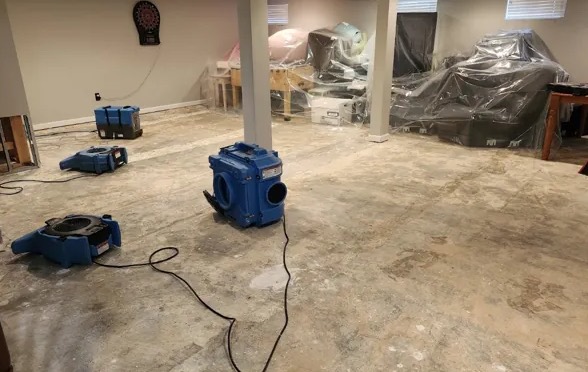
Rapid Structural Drying Solutions in Union, Kentucky
Concrete slabs, subfloors and wall studs all absorb moisture at different rates. Incomplete drying leaves residual dampness that weakens structures over time.
Fast structural drying is essential for homes throughout Union. Local structural drying pros provide subfloor drying and crawl space drying to protect foundational elements. Services reach neighboring areas including Florence, Burlington and Elsmere for broader support.
Rapid Structural Drying Services in Union
Structural Dehumidification
After water extraction, dehumidification tackles the remaining vapor. Structural dehumidification creates a drying gradient, pulling moisture from wet materials into the drier air.
Subfloor Drying
Wet subfloors can warp, swell, and compromise the floor system. Drying removes moisture from plywood or OSB, often requiring lifted flooring sections to allow direct airflow from above and below.
Wall Cavity Drying
Moisture locked within a wall demands a focused drying solution. Desiccant dehumidifiers are often used to aggressively pull moisture from the enclosed area.
Crawl Space Drying
Crawl spaces are vulnerable to groundwater and plumbing leaks. Effective drying here combines pumping, debris removal, and the strategic placement of air movers and dehumidifiers.
Moisture Mapping Services
Knowing where moisture hides is essential. Moisture mapping involves systematic checks of walls, floors, and ceilings to document saturation levels.
Indications for Rapid Structural Drying
Mold Growth on Baseboards
Mold appearing along floor edges often points to hidden moisture in wall cavities or subfloors needing extraction.
Visible Water Stains on Walls
Yellow or brown stains on drywall or ceilings mean water got into the material and may still be inside.
Squeaking or Soft Floor Areas
Unusual noises or soft spots when walking indicate compromised subflooring from water damage that needs assessment.
High Indoor Humidity Levels
A clammy feeling in the air suggests elevated moisture that structural dehumidification equipment is designed to correct.
How Rapid Structural Drying Works in Union
Step 1: Emergency Response and Moisture Detection
The pros use meters and thermal cameras to find all wet areas and decide which to dry first.
Step 2: Setup of Airflow and Dehumidification
A balanced system of airflow and structural dehumidification is established to pull moisture from materials and condense it out of the air.
Step 3: Specialized Drying for Concrete and Cavities
Specialized techniques like concrete slab drying and forced cavity drying are applied to address moisture trapped in the most challenging structural components.
Step 4: Final Structural Integrity Confirmation
Final moisture readings are recorded for each area to confirm the structure is dry before repairs begin.
Common Causes Requiring Rapid Structural Drying in Union
Foundation Cracks and Water Seepage
Cracks in a foundation or basement wall permit groundwater intrusion, which can saturate concrete slabs and framing.
HVAC System Condensation Issues
Clogged drain lines or faulty condensate pumps from air handlers can cause significant water damage inside walls and ceilings.
Clogged Gutters and Downspouts
When gutters overflow, water pools against the foundation and can seep into crawl spaces, slabs and lower walls.
Roof Leaks From Storm Damage
Wind-driven rain or damaged shingles allow water to infiltrate attics and wall cavities, leading to widespread structural moisture.
Residential and Commercial Rapid Structural Drying in Union
Residential Rapid Structural Drying
In homes, rapid structural drying targets moisture trapped in walls, under floors, and in crawl spaces after a leak.
Commercial Rapid Structural Drying
For businesses, commercial structural drying minimizes downtime after water damage. The pros focus on large-scale moisture removal from concrete slabs, interior wall cavities, and office subfloors using high-capacity equipment to get operations back to normal swiftly.
Rapid Structural Drying vs. DIY: When to Call Local Pros
You can sweep water out of a garage or away from a foundation exterior. Inside, place aluminum foil squares on concrete slabs to test for condensation.
Pricing Considerations for Rapid Structural Drying in Union
Several factors determine rapid structural drying cost for a home in Union. The primary considerations are the square footage affected and the complexity of accessing wet structural components like crawl spaces or concrete slabs.
Required Drying Equipment
The number and type of industrial air movers, dehumidifiers, and moisture meters deployed for structural moisture removal influence operational costs.
Affected Structural Materials
Drying dense materials like concrete slabs or enclosed wall cavities demands specialized techniques and longer durations than drying open areas.
Water Contamination Category
Clean water from a broken pipe is simpler to address than contaminated flood water, which requires more extensive safety and drying protocols.
Does Insurance Cover Rapid Structural Drying?
Commercial structural drying may be covered under a business property policy if the water damage is from a covered event. The business owner should initiate the claim and provide all documentation to their insurer.
Benefits of Professional Rapid Structural Drying
Focus on Structural Integrity
The process prioritizes drying the building structure itself, including wall cavities and subfloors, to protect its stability.
Industrial-Grade Drying Equipment
High-capacity air movers and dehumidifiers dry crawl spaces and concrete slabs, which hold water longest.
Detailed Documentation for Claims
Comprehensive logs of moisture readings and photos are taken to document the damage for insurance purposes.
24/7 Emergency Rapid Structural Drying in Union
The first 24 to 48 hours after a leak matter most for drying. If you have standing water or soaked walls, call (513) 854-7491 to start drying.
Call Now (513) 854-7491Rapid Structural Drying Near Union: Areas Served
Effective rapid structural drying protects the integrity of buildings in Union. The pros provide specialized drying for affected areas, offering services to Union and surrounding communities including Florence, Burlington and Elsmere.
- Rapid Structural Drying in Florence
- Rapid Structural Drying in Burlington
- Rapid Structural Drying in Elsmere
- Rapid Structural Drying in Walton
- Rapid Structural Drying in Erlanger
- Rapid Structural Drying in Rising Sun
- Rapid Structural Drying in Patriot
- Rapid Structural Drying in Francisville
- Emergency Damage Restoration in 41091
- Storm Damage Restoration in 41091
- Water Damage Restoration in 41091
- Water Extraction Service in 41091
- Water Leak Detection in 41091
- Water Removal Service in 41091
Common Queries About Structural Drying
What equipment is used for water mitigation drying?
Water mitigation drying utilizes industrial air movers for evaporation, high-capacity dehumidifiers to remove vapor, and moisture meters to monitor progress throughout the structural drying process.
When is crawl space drying necessary?
Crawl space drying is necessary when flooding or high humidity saturates this enclosed area, as trapped moisture can damage foundation piers, joists, and lead to mold growth throughout the home.
How does emergency structural drying differ from regular drying?
It is drying that starts as an emergency call, often outside business hours, with equipment set up to protect the structure before materials swell or grow mold.
Why is quick action critical for structural drying?
Quick action limits the extent of water absorption into materials, reduces the drying time required, and helps minimize the potential for costly repairs related to structural decay or mold.
How do pros know when structural drying is complete?
The pros use moisture meters to compare readings in affected materials to known dry standards in unaffected areas, ensuring moisture levels are acceptable before concluding the job.