Aurora, IN · Dearborn County
Temperature-Controlled Drying in Aurora, INThermal Drying For Water Damage & Water Damage Drying Logs
For Temperature-Controlled Drying in Aurora, local temperature-controlled drying specialists handle thermal drying for water damage, humidity control for restoration, and drying equipment deployment to prevent mold.
Answered 24/7
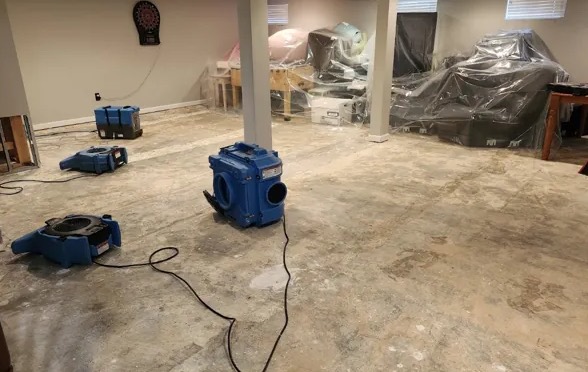
Targeted Temperature-Controlled Drying for Properties in Aurora
In Aurora, water trapped in subfloors, wall cavities or behind cabinets dries slowly because the air there does not move.
In Aurora and nearby Lawrenceburg, Greendale and Rising Sun, local pros take baseline moisture readings, then run air movers and dehumidifiers and log moisture levels as they drop.
Specialized Temperature-Controlled Drying Offerings in Aurora, IN
Thermal Drying for Water Damage
Controlled heat speeds up drying of wet materials in Aurora, which helps prevent swelling wood and failed flooring adhesive.
Water Damage Drying Logs
Local temperature-controlled drying specialists compile drying logs with moisture maps, photos, and readings. This report documents the system's performance and the materials' response, demonstrating a professional approach.
Drying Equipment Deployment
The specialists set up LGR dehumidifiers, axial fans and cavity drying systems to work together on the wet structure.
Humidity Control for Restoration
The specialists keep humidity low in properties in Aurora, so water evaporates from materials instead of soaking back in.
Climate-Controlled Drying Systems
The specialists set up systems that control temperature, humidity and airflow together, adjusting them as moisture readings change.
Indicators for Temperature-Controlled Drying in Aurora Properties
Cold, Damp Feeling in a Room
A room feels noticeably colder and damper than the rest of the house. This sensation is often due to evaporative cooling from wet materials.
Damp Odors Persisting After Water
A musty smell lingers even after visible water is gone, indicating hidden moisture. That odor often signals mold or trapped dampness.
Cracking of Plaster or Joints
Plaster or drywall joint tape develops new cracks or fissures. These cracks occur as wet materials swell and then contract during drying.
Moisture Meter Shows High Readings
A moisture meter reading high inside walls or floors means drying is not finished.
How Temperature-Controlled Drying Works in Aurora
Step 1: Detailed Moisture Mapping Inspection
The experts use advanced sensors to map all affected areas, including hidden cavities.
Step 2: Strategic Air Mover Deployment
Based on the map, the pros position high-velocity air movers to create optimal airflow across wet surfaces.
Step 3: Climate-Controlled Drying Implementation
Industrial dehumidifiers are deployed to precisely control temperature and humidity in the contained space.
Step 4: Continuous Moisture Monitoring and Logs
Pros take regular moisture readings to track progress, adjusting equipment as needed. Detailed drying logs document the entire process for your records.
Causes of Persistent Dampness Requiring Controlled Drying in Aurora
Appliance Malfunction or Overflow
A failed washing machine hose, water heater or dishwasher can release many gallons onto the floor.
HVAC System Condensation Issues
A clogged condensate drain line causes an overflow inside the air handler. This water can soak insulation and ductwork, creating a hidden moisture issue.
Foundation Cracks and Seepage
Hydrostatic pressure forces groundwater through cracks in the foundation wall. This seepage creates a constant dampness that challenges standard drying technology.
Overflowing Sinks or Bathtubs
A simple blockage or forgetfulness leads to an overflow event. Water spreads quickly, soaking cabinetry and flooring, and requires thorough drying equipment deployment.
Residential and Commercial Drying in Aurora, IN
Residential Temperature-Controlled Drying
In condos and apartments, containment barriers and negative air machines keep moisture from moving into neighboring units while drying runs.
Commercial Temperature-Controlled Drying
Restaurants and food service businesses need rapid, sanitary drying to comply with health regulations after a water event. The pros use specialized equipment and antimicrobial treatments during the drying process.
Temperature-Controlled Drying vs. DIY Drying in Aurora
For a small, recent water spill, use towels to blot surface water and improve air circulation with fans. If water soaks into porous materials like drywall or carpet padding, contact the experts.
Cost Considerations for Temperature-Controlled Drying in Aurora
In Aurora, the price depends on the square footage, how long drying runs and which drying systems are used.
Drying Time Required
Longer drying periods for climate-controlled systems mean more equipment runtime and monitoring, impacting the overall cost of the restoration project.
Humidity Control Measures
Controlling humidity in tight spaces often takes specialized drying equipment and frequent adjustments.
Access and Logistics
Challenging site access in Aurora can complicate equipment deployment and placement, potentially increasing setup time and labor requirements.
Does Insurance Cover Temperature-Controlled Drying?
Insurance may help pay for drying if the cause is a covered loss. Pros provide moisture maps and equipment records for your insurer, which makes the coverage decision.
The Value of Local Specialists for Temperature-Controlled Drying in Aurora, IN
Ongoing Moisture Monitoring
Regular checks with moisture meters verify that drying goals are met, helping ensure no residual dampness remains within walls or floors.
IICRC-Standard Drying Methods
Drying follows industry guidelines and is checked with meters, which keeps framing and floors from staying wet.
Comprehensive Drying Logs
Detailed, chronological logs of moisture readings and equipment settings provide a transparent record of the entire temperature-controlled drying process.
Round-the-Clock Emergency Temperature-Controlled Drying in Aurora
For thermal drying and moisture mapping in Aurora, call (513) 854-7491 for help from the pros, day or night, and ask how they will track moisture until the materials are dry.
Call Now (513) 854-7491Temperature-Controlled Drying Near Aurora: Communities Served
Climate-controlled and thermal drying are available in Aurora and surrounding places including Lawrenceburg, Greendale and Rising Sun.
- Temperature-Controlled Drying in Lawrenceburg
- Temperature-Controlled Drying in Greendale
- Temperature-Controlled Drying in Rising Sun
- Temperature-Controlled Drying in Burlington
- Temperature-Controlled Drying in Francisville
- Temperature-Controlled Drying in Union
- Temperature-Controlled Drying in Florence
- Temperature-Controlled Drying in Delhi Township
- Emergency Damage Restoration in 47001
- Storm Damage Restoration in 47001
- Water Damage Restoration in 47001
- Water Extraction Service in 47001
- Water Leak Detection in 47001
- Water Removal Service in 47001
Frequently Asked Questions About Temperature-Controlled Drying
Is temperature-controlled drying safe for electronics or artwork?
Yes, when the pros use low heat and careful humidity control, it can be safe for drying sensitive materials and belongings.
How does humidity control aid in restoration?
Drier air pulls water out of wet materials faster, so lowering humidity speeds up drying.
What is temperature-controlled drying?
It is a drying method that controls heat and humidity together to remove moisture from building materials and contents safely and quickly.
Can rapid drying technology dry a property too quickly?
Yes, excessive heat or airflow can cause surface crusting, cracking, or other material stress, which is why professional drying balances speed with material-specific safety limits.
What are the benefits of rapid structural drying services?
Rapid structural drying minimizes the time materials are wet, reducing the risk of swelling, warping, and secondary damage like mold, which helps preserve property value.