Dry Ridge, KY · Grant County
Temperature-Controlled Drying in Dry Ridge, KYThermal Drying For Water Damage & Drying Equipment Deployment
Temperature-Controlled Drying in Dry Ridge includes moisture mapping, rapid structural drying services and water damage drying logs from local moisture control experts.
Answered 24/7
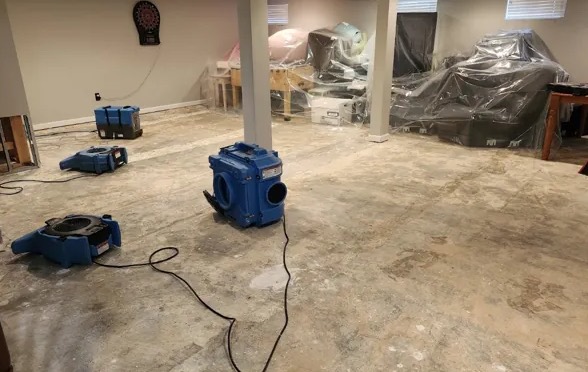
Temperature-Controlled Drying by Local Moisture Control Experts in Dry Ridge
In Dry Ridge, structural drying aims to bring materials back to their normal moisture level. Low humidity in the drying area helps pull moisture out of dense materials.
In Dry Ridge and nearby Williamstown, Walton and Falmouth, local pros map moisture in walls and subfloors, then fit thermal drying and humidity control to the materials in the building.
Temperature-Controlled Drying Services in Dry Ridge
Thermal Drying for Water Damage
Controlled heat combats water damage in hard-to-dry areas like enclosed cavities. Expert calibration of drying equipment avoids harm to sensitive contents.
Drying Equipment Deployment
The experts set up LGR dehumidifiers, axial fans and cavity drying systems to work together on the wet structure.
Humidity Control for Restoration
The experts size dehumidifiers from the moisture map, then pair them with air movers to carry moisture away from materials.
Climate-Controlled Drying Systems
The experts set up systems that control temperature, humidity and airflow together, adjusting them as moisture readings change.
Water Damage Drying Logs
The experts create detailed, timestamped drying logs. These records track initial readings, daily progress, and final verification, providing proof that industry-standard drying was followed.
Signs You Need Professional Temperature-Controlled Drying in Dry Ridge
High Humidity Readings Inside
A hygrometer showing unusually high indoor humidity after water damage means the building is still wet.
Cold, Damp Feeling in a Room
A room feels noticeably colder and damper than the rest of the house. This sensation is often due to evaporative cooling from wet materials.
Discoloration on Drywall or Ceilings
Yellow or brown water stains appear on surfaces that seem dry. These stains suggest moisture is still present inside the wall cavity.
Paint Peeling or Bubbling Up
Paint loses adhesion and forms bubbles or peels away from the wall. This failure is caused by moisture trapped beneath the paint film.
How Temperature-Controlled Drying Works in Dry Ridge
Step 1: Initial Moisture Survey and Readings
Pros take baseline moisture readings across the property to plan the drying.
Step 2: Precision Air Mover Placement
Air movers are placed at set angles and distances to target specific wet materials.
Step 3: Deployment of Drying Systems
Dehumidifiers are sized to the moisture load and the size of the space.
Step 4: Ongoing Monitoring and Adjustment
Equipment is moved and adjusted as materials dry, so drying keeps moving.
What Leads to Needing Temperature-Controlled Drying in Dry Ridge
Appliance Malfunction or Overflow
A failed washing machine hose, water heater or dishwasher can release many gallons onto the floor.
HVAC System Condensation Issues
A clogged condensate drain line causes an overflow inside the air handler. This water can soak insulation and ductwork, creating a hidden moisture issue.
Poor Ventilation After a Flood
Closing up a wet room traps humid air, which slows drying and lets moisture soak further into materials.
Inadequate Initial Water Extraction
Water left behind after a leak or flood moves into subfloors and walls, where it is harder to dry.
Temperature-Controlled Drying for All Property Types in Dry Ridge
Residential Temperature-Controlled Drying
At home, the pros dry wall cavities, subfloors and belongings with air movers and dehumidifiers, and keep drying logs for your insurance review.
Commercial Temperature-Controlled Drying
For businesses, rapid drying minimizes downtime and protects inventory, equipment, and building integrity. Large-scale drying systems are implemented to address moisture in offices, retail spaces, and warehouses.
Professional Temperature-Controlled Drying vs. Do-It-Yourself in Dry Ridge
For a small, recent water spill, use towels to blot surface water and improve air circulation with fans. If water soaks into porous materials like drywall or carpet padding, contact the experts.
Understanding Temperature-Controlled Drying Cost in Dry Ridge
In Dry Ridge, the cost depends on how much drying equipment is used and how long it runs, plus the moisture readings taken along the way.
Structural Material Types
Porous materials like concrete or dense wood require more aggressive drying strategies and extended monitoring, influencing the project timeline and cost.
Access and Logistics
Challenging site access in Dry Ridge can complicate equipment deployment and placement, potentially increasing setup time and labor requirements.
Equipment Needs
The number and type of air movers, dehumidifiers and heaters used affect the cost.
Does Insurance Cover Temperature-Controlled Drying?
Humidity control for restoration following a water incident might be considered under the drying portion of a claim. The pros in Dry Ridge provide precise documentation of the controlled drying systems used and the results achieved.
Benefits of Local Experts for Temperature-Controlled Drying in Dry Ridge
Comprehensive Drying Logs
Detailed, chronological logs of moisture readings and equipment settings provide a transparent record of the entire temperature-controlled drying process.
Strategic Equipment Deployment
Air movers and dehumidifiers are placed according to a plan for even airflow and low humidity.
Advanced Moisture Mapping
Moisture meters and thermal cameras find hidden wet pockets so every affected material is dried.
24/7 Emergency Temperature-Controlled Drying in Dry Ridge
Wet walls and floors keep getting worse until they are dried. Call local pros at (513) 854-7491 to set up drying equipment.
Call Now (513) 854-7491Local Temperature-Controlled Drying Coverage for Dry Ridge, Williamstown, Walton and Falmouth
The pros provide temperature-controlled drying for Dry Ridge and adjacent areas such as Williamstown, Walton and Falmouth.
- Temperature-Controlled Drying in Williamstown
- Temperature-Controlled Drying in Walton
- Temperature-Controlled Drying in Falmouth
- Temperature-Controlled Drying in Patriot
- Temperature-Controlled Drying in Independence
- Temperature-Controlled Drying in Union
- Temperature-Controlled Drying in Florence
- Temperature-Controlled Drying in Alexandria
- Emergency Damage Restoration in 41035
- Storm Damage Restoration in 41035
- Water Damage Restoration in 41035
- Water Extraction Service in 41035
- Water Leak Detection in 41035
- Water Removal Service in 41035
Temperature-Controlled Drying Information and FAQs
What is the difference between air movers and dehumidifiers?
Air movers evaporate moisture from surfaces into the air, and dehumidifiers pull it back out of the air.
Is temperature-controlled drying safe for electronics or artwork?
Yes, when the pros use low heat and careful humidity control, it can be safe for drying sensitive materials and belongings.
Why is moisture mapping important for drying?
Sensors measure moisture across the affected area to show exactly where it is wet, so equipment is aimed at the right spots.
What is the strategy behind air mover placement?
They are angled to move air across wet surfaces in a pattern, so moisture evaporates into the air where dehumidifiers can capture it.
When is climate-controlled drying necessary versus regular drying?
Climate-controlled drying is necessary for severe losses, sensitive materials, or when precise environmental control is needed to prevent damage, unlike simple air drying for minor spills.