Franklin, OH · Warren County
Temperature-Controlled Drying in Franklin, OHAir Mover Placement For Drying & Rapid Structural Drying Services
In Franklin, Temperature-Controlled Drying from local drying equipment pros covers climate-controlled drying systems, moisture mapping, and drying equipment deployment to dry a structure effectively.
Answered 24/7
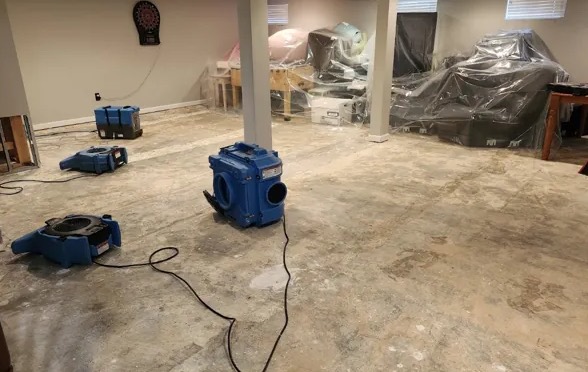
Local Temperature-Controlled Drying Solutions for Franklin Homes
In Franklin, moisture left in a structure can cause odors and draw pests. The pros map the damage with infrared cameras and sensors before setting up drying.
In Franklin and nearby Springboro, Middletown and Monroe, fast structural drying stops mold before it starts. Local pros map moisture, then use LGR dehumidifiers and planned air mover placement until readings are normal.
Temperature-Controlled Drying Services in Franklin
Air Mover Placement for Drying
The pros plan placement around furniture and walls, and may build air dams or blow air into cavities to cut drying time in Franklin homes.
Rapid Structural Drying Services
Fast structural drying uses high-velocity air movers, industrial dehumidifiers and sometimes heat, so families in Franklin can return home sooner and mold does not start.
Moisture Mapping
Moisture mapping uses penetrating and non-penetrating meters to document water migration. This creates a blueprint of wet areas, including hidden moisture behind walls.
Climate-Controlled Drying Systems
The pros set up systems that control temperature, humidity and airflow together, adjusting them as moisture readings change.
Thermal Drying for Water Damage
The pros apply thermal energy to enhance air mover and dehumidifier effectiveness. This lowers relative humidity, creating a stronger force to pull moisture from materials.
When to Call for Temperature-Controlled Drying in Franklin, OH
Condensation on Windows or Surfaces
Excess humidity causes water droplets to form on cold surfaces. This condensation confirms the indoor air has too much moisture.
Cold, Damp Feeling in a Room
A room feels noticeably colder and damper than the rest of the house. This sensation is often due to evaporative cooling from wet materials.
Warping of Wood Floors or Trim
Floorboards begin to cup, buckle, or separate at the seams. This warping is a direct result of excessive, uneven moisture content.
Soft Drywall or Sagging Ceiling
Drywall feels spongy to the touch or a ceiling sags downward. This softness means the material is saturated and structurally compromised.
How Temperature-Controlled Drying Works in Franklin
Step 1: Initial Moisture Survey and Readings
Pros take baseline moisture readings across the property to plan the drying.
Step 2: Precision Air Mover Placement
Air movers are placed at set angles and distances to target specific wet materials.
Step 3: Deployment of Drying Systems
Dehumidifiers are sized to the moisture load and the size of the space.
Step 4: Ongoing Monitoring and Adjustment
Equipment is moved and adjusted as materials dry, so drying keeps moving.
Typical Reasons for Drying Needs in Franklin
Sprinkler System Activation
A fire sprinkler discharges, releasing a large volume of water quickly. This event saturates entire areas and requires precise air mover placement and strategy.
Foundation Cracks and Seepage
Hydrostatic pressure forces groundwater through cracks in the foundation wall. This seepage creates a constant dampness that challenges standard drying technology.
Appliance Malfunction or Overflow
A failed washing machine hose, water heater or dishwasher can release many gallons onto the floor.
Roof Leak During Heavy Rain
Wind-driven rain through a damaged roof or flashing can run down inside wall cavities, where it needs targeted drying.
Temperature-Controlled Drying for Homes and Businesses in Franklin
Residential Temperature-Controlled Drying
Residential restoration focuses on saving personal items and preventing long-term odors in living areas and bedrooms. The specialists employ thermal drying for water damage to gently yet effectively dry contents and building materials.
Commercial Temperature-Controlled Drying
In commercial settings, uncontrolled humidity can damage sensitive electronics, documents, and finished goods. The pros implement humidity control for restoration to create optimal drying conditions for diverse materials.
When to Hire Drying Equipment Pros for Temperature-Controlled Drying in Franklin
For a small, recent water spill, use towels to blot surface water and improve air circulation with fans. If water soaks into porous materials like drywall or carpet padding, contact the experts.
Investing in Professional Temperature-Controlled Drying in Franklin
The pros in Franklin base cost on the extent of the water damage, the humidity control needed and how long monitoring runs.
Humidity Control Measures
Controlling humidity in tight spaces often takes specialized drying equipment and frequent adjustments.
Extent of Water Damage
The larger the area that needs drying, the more equipment and labor the job takes.
Equipment Needs
The number and type of air movers, dehumidifiers and heaters used affect the cost.
Does Insurance Cover Temperature-Controlled Drying?
Insurance may help pay for drying if the cause is a covered loss. Pros provide moisture maps and equipment records for your insurer, which makes the coverage decision.
The Value of Local Pros for Temperature-Controlled Drying in Franklin, OH
Advanced Moisture Mapping
Moisture meters and thermal cameras find hidden wet pockets so every affected material is dried.
Ongoing Moisture Monitoring
Regular checks with moisture meters verify that drying goals are met, helping ensure no residual dampness remains within walls or floors.
Humidity Control for Restoration
Keeping the air dry draws moisture out of materials until the space is stable.
Emergency Moisture Control in Franklin
For temperature-controlled drying after a leak or flood, call (513) 854-7491 any time. Local pros can then start drying the structure.
Call Now (513) 854-7491Local Temperature-Controlled Drying Coverage for Franklin, Springboro, Middletown and Monroe
Climate-controlled and thermal drying are available in Franklin and surrounding places including Springboro, Middletown and Monroe.
- Temperature-Controlled Drying in Springboro
- Temperature-Controlled Drying in Middletown
- Temperature-Controlled Drying in Monroe
- Temperature-Controlled Drying in Trenton
- Temperature-Controlled Drying in Lebanon
- Temperature-Controlled Drying in Kettering
- Temperature-Controlled Drying in Mason
- Temperature-Controlled Drying in West Chester Township
- Emergency Damage Restoration in 45005
- Storm Damage Restoration in 45005
- Water Damage Restoration in 45005
- Water Extraction Service in 45005
- Water Leak Detection in 45005
- Water Removal Service in 45005
Frequently Asked Questions About Temperature-Controlled Drying
How does humidity control aid in restoration?
Drier air pulls water out of wet materials faster, so lowering humidity speeds up drying.
Why is moisture mapping important for drying?
Sensors measure moisture across the affected area to show exactly where it is wet, so equipment is aimed at the right spots.
What is the strategy behind air mover placement?
They are angled to move air across wet surfaces in a pattern, so moisture evaporates into the air where dehumidifiers can capture it.
How long does the temperature-controlled drying process take?
It depends on the damage, the materials and the conditions. Pros monitor readings and stop when moisture goals are met.
What are water damage drying logs used for?
Drying logs are detailed records of moisture readings, equipment settings, and progress; they provide documentation for the restoration process and are often required for insurance claims.