Middletown, OH · Butler County
Temperature-Controlled Drying in Middletown, OHRapid Structural Drying Services & Climate-Controlled Drying Systems
For Temperature-Controlled Drying in Middletown, local drying equipment pros handle thermal drying for water damage, humidity control for restoration, and drying equipment deployment to prevent mold.
Answered 24/7
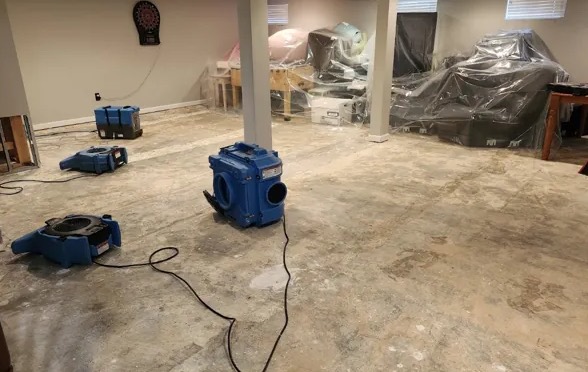
Temperature-Controlled Drying by Local Moisture Control Experts in Middletown
In Middletown, structural drying aims to bring materials back to their normal moisture level. Low humidity in the drying area helps pull moisture out of dense materials.
In Middletown and nearby Trenton, Monroe and Franklin, local pros take baseline moisture readings, then run air movers and dehumidifiers and log moisture levels as they drop.
Advanced Temperature-Controlled Drying Techniques in Middletown
Rapid Structural Drying Services
Fast structural drying uses high-velocity air movers, industrial dehumidifiers and sometimes heat, so families in Middletown can return home sooner and mold does not start.
Climate-Controlled Drying Systems
For complex jobs, the pros use industrial equipment to keep humid air from re-wetting materials, so walls dry all the way through.
Air Mover Placement for Drying
The pros plan placement around furniture and walls, and may build air dams or blow air into cavities to cut drying time in Middletown homes.
Water Damage Drying Logs
The pros in Middletown maintain drying logs as an official record. This data tracks moisture reduction over time and informs any needed adjustments to the drying strategy.
Humidity Control for Restoration
The pros size dehumidifiers from the moisture map, then pair them with air movers to carry moisture away from materials.
Warning Signs Requiring Temperature-Controlled Drying in Middletown
Cold, Damp Feeling in a Room
A room feels noticeably colder and damper than the rest of the house. This sensation is often due to evaporative cooling from wet materials.
Warping of Wood Floors or Trim
Floorboards begin to cup, buckle, or separate at the seams. This warping is a direct result of excessive, uneven moisture content.
Condensation on Windows or Surfaces
Excess humidity causes water droplets to form on cold surfaces. This condensation confirms the indoor air has too much moisture.
Paint Peeling or Bubbling Up
Paint loses adhesion and forms bubbles or peels away from the wall. This failure is caused by moisture trapped beneath the paint film.
How Temperature-Controlled Drying Works in Middletown
Step 1: Assessment and Moisture Detection
The pros perform a thorough assessment using thermal imaging and moisture meters. This identifies the full extent of damage, guiding the drying plan.
Step 2: Containment and Airflow Strategy
Plastic barriers close off the wet area so humidity can be controlled, and air movers are placed to move air across wet materials.
Step 3: Thermal Drying System Activation
Specialized thermal drying equipment is activated to gently raise the air temperature in the space.
Step 4: Verification and Structural Drying Completion
Readings are compared with dry areas of the building to confirm drying is complete.
Common Causes Requiring Structural Drying in Middletown
Undetected Plumbing Leaks
A slow drip behind a wall or under a slab saturates materials over time.
Appliance Malfunction or Overflow
A failed washing machine hose, water heater or dishwasher can release many gallons onto the floor.
HVAC System Condensation Issues
A clogged condensate drain line causes an overflow inside the air handler. This water can soak insulation and ductwork, creating a hidden moisture issue.
Foundation Cracks and Seepage
Hydrostatic pressure forces groundwater through cracks in the foundation wall. This seepage creates a constant dampness that challenges standard drying technology.
Residential & Commercial Temperature-Controlled Drying in Middletown
Residential Temperature-Controlled Drying
In condos and apartments, containment barriers and negative air machines keep moisture from moving into neighboring units while drying runs.
Commercial Temperature-Controlled Drying
Restaurants and food service businesses need rapid, sanitary drying to comply with health regulations after a water event. The pros use specialized equipment and antimicrobial treatments during the drying process.
Professional Temperature-Controlled Drying vs. Do-It-Yourself in Middletown
Moisture from a leak may seem surface-dry, but it often remains deep within materials. You can use a moisture meter from a hardware store to check for obvious dampness in drywall or wood. Interpreting these readings and executing the rapid drying needed to prevent mold requires the expertise and commercial-grade equipment of the specialists in Middletown.
Understanding Temperature-Controlled Drying Cost in Middletown
In Middletown, the cost depends on how much drying equipment is used and how long it runs, plus the moisture readings taken along the way.
Humidity Control Measures
Controlling humidity in tight spaces often takes specialized drying equipment and frequent adjustments.
Moisture Mapping Complexity
Checking moisture in layered floors or hidden cavities takes more time and equipment.
Access and Logistics
Challenging site access in Middletown can complicate equipment deployment and placement, potentially increasing setup time and labor requirements.
Does Insurance Cover Temperature-Controlled Drying?
Humidity control for restoration following a water incident might be considered under the drying portion of a claim. The pros in Middletown provide precise documentation of the controlled drying systems used and the results achieved.
Selecting Local Pros for Temperature-Controlled Drying in Middletown
Comprehensive Drying Logs
Detailed, chronological logs of moisture readings and equipment settings provide a transparent record of the entire temperature-controlled drying process.
Advanced Moisture Mapping
Moisture meters and thermal cameras find hidden wet pockets so every affected material is dried.
IICRC-Standard Drying Methods
Drying follows industry guidelines and is checked with meters, which keeps framing and floors from staying wet.
Emergency Moisture Control in Middletown
For temperature-controlled drying after a leak or flood, call (513) 854-7491 any time. Local pros can then start drying the structure.
Call Now (513) 854-7491Local Temperature-Controlled Drying Coverage for Middletown, Trenton, Monroe and Franklin
A detailed approach to moisture control, including humidity regulation and systematic drying equipment deployment, benefits homes throughout Middletown. The process also serves properties in the broader Trenton, Monroe and Franklin region.
- Temperature-Controlled Drying in Trenton
- Temperature-Controlled Drying in Monroe
- Temperature-Controlled Drying in Franklin
- Temperature-Controlled Drying in Springboro
- Temperature-Controlled Drying in Hamilton
- Temperature-Controlled Drying in West Chester Township
- Temperature-Controlled Drying in Fairfield
- Temperature-Controlled Drying in Lebanon
- Emergency Damage Restoration in 45042
- Storm Damage Restoration in 45042
- Water Damage Restoration in 45042
- Water Extraction Service in 45042
- Water Leak Detection in 45042
- Water Removal Service in 45042
- Emergency Damage Restoration in 45044
- Storm Damage Restoration in 45044
Temperature-Controlled Drying Information and FAQs
Can temperature-controlled drying prevent mold growth?
By rapidly removing moisture and controlling humidity, the process creates an environment where mold cannot thrive, significantly reducing the potential for mold.
What happens if hidden moisture is not found during mapping?
Undetected moisture can lead to ongoing deterioration, odor issues, and mold growth inside walls or under floors, underscoring the critical need for thorough initial assessment.
How is drying progress verified during moisture monitoring?
Progress is verified by taking comparative moisture readings with penetrating and non-penetrating meters over time, ensuring levels drop to established dry standards for each material.
What materials benefit most from controlled drying systems?
Porous structural materials like drywall, wood framing, and concrete, as well as contents like documents and furniture, benefit greatly from controlled, gradual drying to prevent ruin.
What is the strategy behind air mover placement?
They are angled to move air across wet surfaces in a pattern, so moisture evaporates into the air where dehumidifiers can capture it.