Loveland, OH · Hamilton County
Warehouse Water Damage Restoration in Loveland, OHWarehouse Flood Water Extraction & Warehouse Structural Drying
Warehouse Water Damage Restoration in Loveland requires warehouse equipment drying, warehouse floor water removal, and warehouse leak detection repair.
Answered 24/7
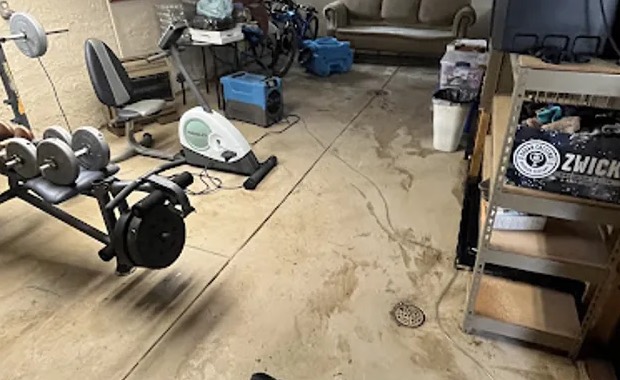
Warehouse Water Damage Restoration Solutions in Loveland, Ohio
Industrial water damage restoration addresses the unique scale of warehouse incidents, where large volumes of water can compromise safety and assets rapidly.
Warehouse water damage restoration is a critical service for industrial and storage facilities in Loveland, where water intrusion can halt operations and damage valuable stock. Local warehouse water damage pros provide warehouse flood water extraction and structural drying to restore functionality, serving businesses here and in nearby areas like Montgomery, Goshen and Blue Ash.
Warehouse Water Damage Restoration Process for Loveland Warehouses
Warehouse Flood Water Extraction
High-volume extractors clear standing water from large warehouse floors fast. Local water damage pros in Loveland work to protect stock and the structure.
Warehouse Structural Drying
Drying the warehouse structure requires managing humidity and air movement at scale. Heavy-duty equipment is positioned to dry concrete, steel, and building cavities thoroughly.
Warehouse Leak Detection Repair
Pros check common entry points like roof seams and penetrations, then make a temporary repair to stop the water.
Warehouse Water Damage Cleanup
Completing warehouse water damage restoration requires a thorough cleanup phase. The process sanitizes surfaces and addresses any lingering musty smells from the incident.
Warehouse Floor Water Removal
Pros use specialized equipment to pull trapped moisture from concrete and sealed floors before mold or slab damage sets in.
Common Red Flags for Warehouse Water Damage Restoration
Water on Warehouse Floor
Standing water in aisles or around stored goods needs to be removed before it soaks into pallets and stock.
Musty Odors in the Space
A persistent earthy smell often means hidden moisture and potential mold in a warehouse.
High Humidity Readings
A hygrometer that keeps showing high humidity means the building is still wet.
Wet Electrical Components
Any moisture near panels, conduits, or outlets is an immediate safety hazard for warehouse operations.
How Warehouse Water Damage Restoration Works in Loveland
Step 1: Emergency Water Extraction
The pros use industrial pumps and extractors to remove all standing flood water from the facility, starting the warehouse water removal process.
Step 2: Strategic Structural Drying
High-capacity air movers and commercial dehumidifiers are positioned to dry the warehouse structure, including walls, ceilings, and the concrete slab, preventing warping.
Step 3: Inventory and Content Processing
Affected goods and materials are evaluated for warehouse inventory water damage; salvageable items are moved to a dry zone for specialized drying or cleaning.
Step 4: Final Verification and Documentation
Using moisture meters, pros verify the space is dry to industry standards. They document the process with readings and photos for your insurance review.
Leading Causes of Water Intrusion in Loveland
Faulty Drain or Sewer Backup
Blocked floor drains or a municipal sewer backup can send contaminated water into the warehouse.
Dock Door Seal Failures
Worn or damaged seals at loading docks let driving rain and melted snow enter the facility.
Human Error and Accidents
A left-on hose, an overturned tank, or a forklift damaging a pipe can initiate flooding.
Process Equipment Leaks
Cooling lines, hydraulic systems, or wash-down stations can develop leaks, creating localized water damage.
Warehouse Water Damage Restoration for Industrial Properties in Loveland
Residential Water Damage Restoration
When a large garage or storage building floods, pros with industrial equipment dry under shelving and behind stored items.
Warehouse Water Damage Restoration
For warehouses, quick action on water damage repair supports business continuity. The space is dried so operations can resume, aiming to contain inventory and operational losses from prolonged downtime.
Why DIY Warehouse Water Damage Repair Fails
If safe to do so, you can attempt to stop the water source by shutting off the main supply valve or placing a bucket under a small, accessible leak. However, for any significant warehouse flood cleanup, you should call the pros to prevent escalation.
Investing in Warehouse Water Damage Restoration for Loveland
Commercial water extraction pricing in Loveland considers the number of affected warehouse zones, the type of flooring materials, and any post-extraction sanitation needs for the space.
Emergency Service Timing
A 24/7 response outside standard hours may involve different service rates compared to a scheduled appointment during business hours.
Mold Remediation Needs
If secondary mold growth is present, the project scope expands to include containment, removal, and air scrubbing, adding to the cost.
Access and Complexity
Multi-level racking, confined machinery spaces, or high ceilings can complicate water removal and drying, increasing labor and equipment needs.
Does Insurance Cover Warehouse Water Damage Restoration?
Industrial water damage restoration is often a covered peril, but policy deductibles, limits, and various exclusions typically apply. Discussing the specific incident with an insurance agent is a necessary step.
Why Choose Local Pros for Warehouse Water Damage Restoration
Mold Prevention Focus
Rapid water removal and thorough drying are the primary methods the pros use to help prevent mold growth after a flood.
Structural Drying Expertise
Proper warehouse structural drying protects the building's integrity by removing moisture from concrete slabs, steel frames, and wall cavities effectively.
Inventory Damage Mitigation
Pros prioritize protecting salvageable goods through careful water removal, controlled drying environments, and coordination for off-site restoration if needed.
24/7 Emergency Water Extraction in Loveland
If there is active water intrusion in a warehouse, call (513) 854-7491 for emergency industrial water damage restoration services. Response is available any time, day or night, to begin containment and extraction.
Call Now (513) 854-7491Warehouse Water Damage Restoration for Loveland and Nearby Communities
Warehouse structural drying and mold remediation services are accessible for properties in Loveland and surrounding places including Montgomery, Goshen and Blue Ash.
- Warehouse Water Damage Restoration in Montgomery
- Warehouse Water Damage Restoration in Goshen
- Warehouse Water Damage Restoration in Blue Ash
- Warehouse Water Damage Restoration in Milford
- Warehouse Water Damage Restoration in Mason
- Warehouse Water Damage Restoration in Indian Hill
- Warehouse Water Damage Restoration in Kenwood
- Warehouse Water Damage Restoration in Madeira
- Emergency Damage Restoration in 45140
- Storm Damage Restoration in 45140
- Water Damage Restoration in 45140
- Water Extraction Service in 45140
- Water Leak Detection in 45140
- Water Removal Service in 45140
Warehouse Water Damage Restoration in Loveland: Your Questions Answered
How long does industrial water damage restoration typically take?
Duration varies widely by scale; a significant warehouse flood may require several days of active drying followed by repair and cleanup phases.
What records are kept for warehouse water damage repair?
Local pros document the process with photos, moisture reading logs, equipment logs, and detailed notes for your records and any insurance claim.
What causes warehouse leaks needing detection and repair?
Common sources include roof failures, compromised siding or cladding, sealant failures around doors and loading docks, or plumbing issues within the warehouse's utility infrastructure.
What is the goal of warehouse moisture removal?
To return building materials to normal dry readings, measured with moisture meters, so they do not decay or grow mold.
What are the signs of hidden warehouse water damage?
Look for persistent damp odors, staining on walls or floors, warping of materials, or unexplained corrosion on metal surfaces or equipment.