Montgomery, OH · Hamilton County
Warehouse Water Damage Restoration in Montgomery, OHWarehouse Inventory Water Damage & Warehouse Mold Remediation
Warehouse Water Damage Restoration for a Montgomery warehouse includes warehouse water damage cleanup, warehouse mold remediation, and warehouse structural drying after a flood.
Answered 24/7
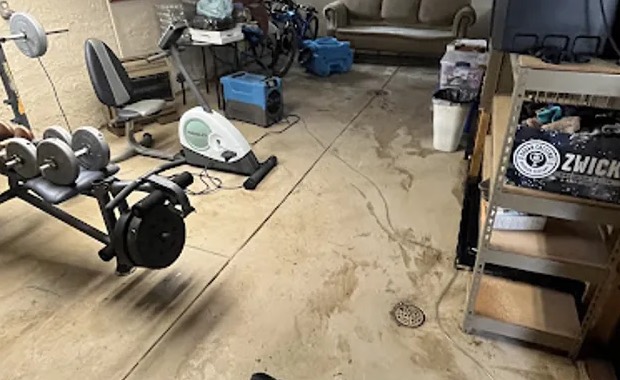
Expert Warehouse Water Damage Restoration Services for Montgomery
Untreated water damage in warehouses can weaken floors, damage stored goods, and create hazardous mold, posing significant business risks. Local warehouse water extraction pros prioritize action, initiating warehouse water damage cleanup and moisture removal to limit secondary damage.
Warehouse water damage restoration is a critical service for industrial and storage facilities in Montgomery, where water intrusion can halt operations and damage valuable stock. The pros provide warehouse flood water extraction and structural drying to restore functionality, serving businesses here and in nearby areas like Blue Ash, Kenwood and Madeira.
Key Warehouse Water Damage Restoration Procedures
Warehouse Inventory Water Damage
Pros in Montgomery sort pallets and items into those that can be dried, those that need freeze-drying and total losses, and document it all for your insurance claim.
Warehouse Mold Remediation
If mold develops in a wet warehouse, remediation protocols are followed. The area is contained, and affected porous materials are removed.
Warehouse Structural Drying
Drying the warehouse structure requires managing humidity and air movement at scale. Heavy-duty equipment is positioned to dry concrete, steel, and building cavities thoroughly.
Warehouse Water Damage Cleanup
After drying, local pros wash floors, wipe down structural elements and control odors so the warehouse is ready to operate, with records for your claim.
Warehouse Floor Water Removal
Effective water removal from the warehouse floor is foundational. Techniques target moisture in and under the slab to prevent long-term issues like spalling or mold.
Common Red Flags for Warehouse Water Damage Restoration
Warped or Buckling Floors
A curling slab or failing epoxy coating points to moisture under the floor.
Condensation on Equipment
Water beads on metal machinery or control panels show high humidity, risking corrosion and downtime.
Water on Warehouse Floor
Standing water in aisles or around stored goods needs to be removed before it soaks into pallets and stock.
Active Leak or Dripping
Water coming from a roof, pipe or fixture needs the leak found and stopped now.
How Warehouse Water Damage Restoration Works in Montgomery
Step 1: Emergency Water Extraction
The pros use industrial pumps and extractors to remove all standing flood water from the facility, starting the warehouse water removal process.
Step 2: Strategic Structural Drying
High-capacity air movers and commercial dehumidifiers are positioned to dry the warehouse structure, including walls, ceilings, and the concrete slab, preventing warping.
Step 3: Inventory and Content Processing
Affected goods and materials are evaluated for warehouse inventory water damage; salvageable items are moved to a dry zone for specialized drying or cleaning.
Step 4: Final Verification and Documentation
Using moisture meters, pros verify the space is dry to industry standards. They document the process with readings and photos for your insurance review.
Frequent Causes of Leaks Needing Warehouse Water Damage Restoration
Foundation or Slab Leaks
Cracks in the slab or foundation walls let groundwater seep into the warehouse.
Roof Leaks and Penetrations
Damaged roofing, failed seals around vents or skylights, and storm damage allow water into warehouse spaces.
Faulty Drain or Sewer Backup
Blocked floor drains or a municipal sewer backup can send contaminated water into the warehouse.
HVAC Condensate Line Failure
Clogged or disconnected drain lines from large commercial units can flood warehouse floors quickly.
Commercial Warehouse Water Damage Restoration in Montgomery
Residential Water Damage Restoration
When a large garage or storage building floods, pros with industrial equipment dry under shelving and behind stored items.
Warehouse Water Damage Restoration
For warehouses, quick action on water damage repair supports business continuity. The space is dried so operations can resume, aiming to contain inventory and operational losses from prolonged downtime.
Warehouse Water Damage Restoration vs. DIY: When to Call Warehouse Restoration Experts
Wiping down exposed metal surfaces on equipment can slow surface rust after a leak. For thorough warehouse equipment drying and corrosion prevention, controlled techniques are used to dry internal components.
Factors Influencing Warehouse Water Damage Restoration Cost
Factors influencing warehouse water removal expense include the water source category, the duration of exposure, and the required level of moisture documentation for insurance or internal records.
Water Volume and Source
Clean water from a broken pipe costs less to extract than contaminated flood water requiring advanced sanitation procedures in the warehouse.
Structural Material Type
Concrete floors and steel framing dry differently than areas with drywall or insulation, affecting the methods and time required.
Warehouse Square Footage
Larger wet areas take more equipment and labor hours to extract and dry.
Does Insurance Cover Warehouse Water Damage Restoration?
Coverage for warehouse water damage depends on the commercial policy's terms, endorsements and the cause of the loss. The pros document damage with photos and moisture readings for a claim.
Why Montgomery Trusts Local Experts
Moisture Documentation
Detailed logs of moisture readings before, during, and after restoration provide a clear record for your reference and any insurance requirements.
Equipment Drying Protocols
Specialized techniques for warehouse equipment drying aim to minimize corrosion and electrical damage to machinery and control panels after water exposure.
Floor Water Removal
Effective warehouse floor water removal addresses both surface water and moisture trapped below the surface or in subflooring materials.
24/7 Emergency Water Extraction in Montgomery
Moisture in a warehouse can damage the structure, ruin stock and grow mold. Call (513) 854-7491 24/7 for local pros to start drying.
Call Now (513) 854-7491Warehouse Water Damage Restoration Serving Montgomery and Surroundings
Warehouse extraction and repair are available in Montgomery and nearby communities, including Blue Ash, Kenwood and Madeira.
- Warehouse Water Damage Restoration in Blue Ash
- Warehouse Water Damage Restoration in Kenwood
- Warehouse Water Damage Restoration in Madeira
- Warehouse Water Damage Restoration in Deer Park
- Warehouse Water Damage Restoration in Indian Hill
- Warehouse Water Damage Restoration in Sharonville
- Warehouse Water Damage Restoration in Loveland
- Warehouse Water Damage Restoration in Reading
- Emergency Damage Restoration in 45242
- Storm Damage Restoration in 45242
- Water Damage Restoration in 45242
- Water Extraction Service in 45242
- Water Leak Detection in 45242
- Water Removal Service in 45242
Warehouse Water Damage Restoration FAQs
What is warehouse water damage restoration?
It is the process of extracting water, drying the structure and contents, and repairing damage caused by flooding or leaks in a commercial warehouse.
Who decides what warehouse inventory is salvageable after flooding?
The warehouse owner or manager, often in consultation with their insurer and the pros assessing the damage, makes those final decisions.
Does warehouse water damage always lead to mold?
Not always, but mold spores are everywhere; and thorough drying is the most effective way to help prevent them from germinating and growing.
When is warehouse mold remediation necessary after water damage?
If visible mold growth appears or moisture is left unresolved for over 24 48 hours, remediation procedures for containment and removal become necessary.
How fast should warehouse flood damage be addressed?
Quick action is critical to minimize structural warping, inventory loss, and mold growth; water removal should begin within the first 24 hours.